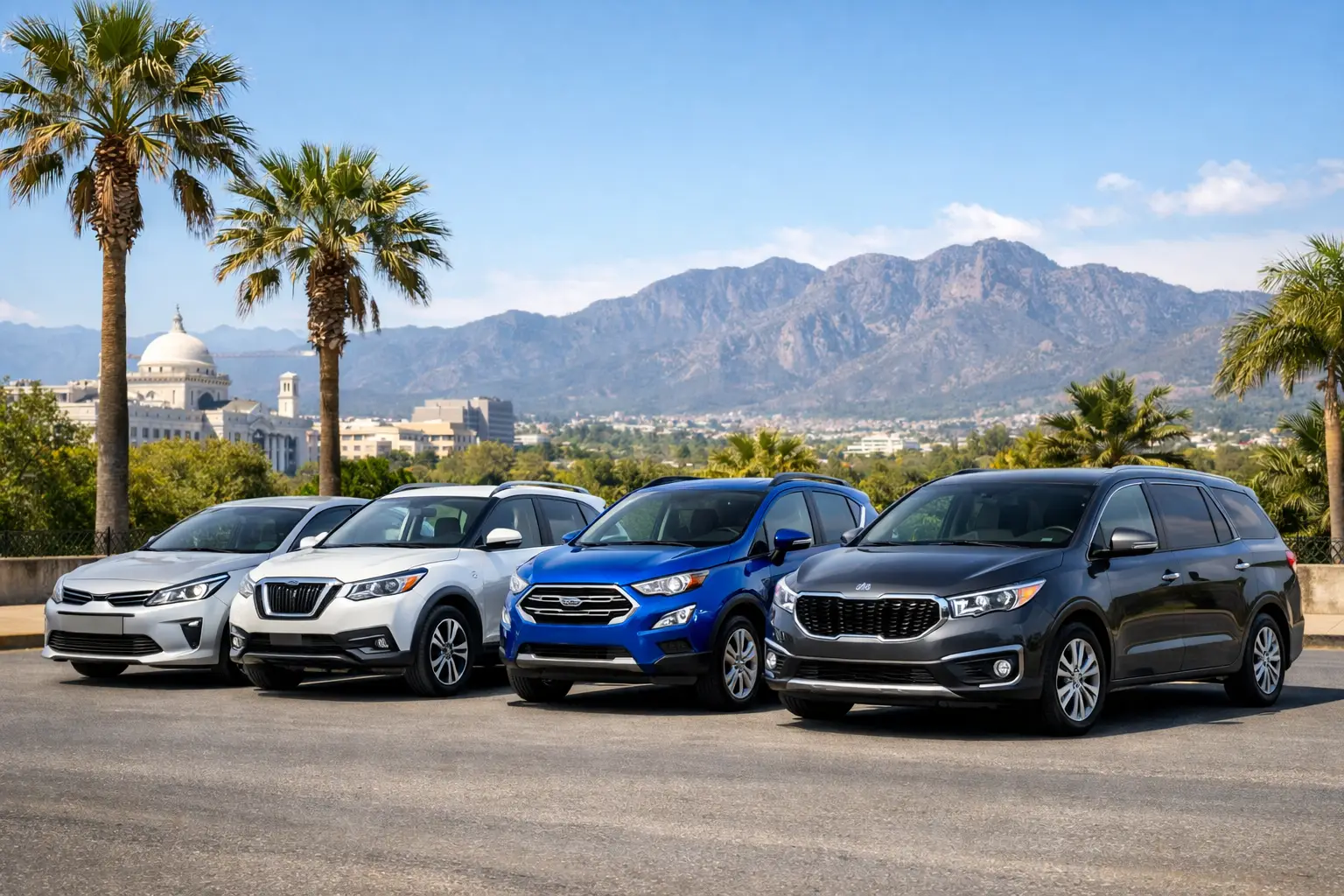
Landing at Luis Muñoz Marín International Airport with a beach reservation in Condado, dinner plans in Old San Juan, and a day trip to El Yunque is much easier when your transportation is already organized. Alquiler de autos en San Juan gives you the freedom to set your own pace instead of building every stop around rideshare availability, tour schedules, or hotel shuttles.
For some visitors, a rental car is essential from the moment they arrive. For others, especially guests staying in a walkable section of San Juan, it may make more sense to pick up a vehicle after a day or two. The right choice depends on where you are staying, how far you plan to travel, and the kind of Puerto Rico trip you want to have.
Why alquiler de autos en San Juan changes the trip
San Juan is more than a convenient arrival point. It is a starting point for the north coast, the east coast, the mountains, and towns that are difficult to experience on a fixed itinerary. With a car, you can have breakfast in Isla Verde, visit Old San Juan before the crowds build, and still make an afternoon beach stop in Piñones or Luquillo.
The flexibility matters even more when your plans reach beyond the metro area. A self-drive rental makes it practical to visit El Yunque, Fajardo, Dorado, Arecibo, Ponce, Rincón, Aguadilla, or Mayagüez on your own schedule. You choose when to leave, where to pause, and whether a scenic route is worth the extra time.
For local customers, a rental can be just as useful. A temporary vehicle can keep work, family commitments, airport runs, or weekend plans moving while your personal car is unavailable. The goal is not simply transportation. It is keeping your time under your control.
Choose a vehicle for the roads you will actually drive
The best rental is not always the largest vehicle or the lowest daily rate. Start with the real shape of your trip: the number of passengers, luggage, planned drives, and parking situation.
A compact or economy vehicle is often a smart fit for solo travelers and couples who expect to spend most of their time in San Juan. It is easier to park in busy areas, uses less fuel, and handles city errands comfortably. If you are carrying several suitcases, beach gear, a stroller, or traveling with family, a midsize sedan or SUV may provide the space that makes every transfer easier.
Groups should think beyond passenger count. Five people can technically fit in a vehicle, but a full set of luggage may not. If you plan to drive from San Juan to the west coast or make several airport-to-hotel trips, cargo room and rear-seat comfort deserve as much attention as the rental rate.
Consider where you will park, too. Old San Juan has narrow streets and limited parking in certain areas. A larger SUV can be excellent for family travel and longer drives, but a more compact vehicle may feel simpler if your itinerary focuses on dense city neighborhoods. There is no single best category. The right one supports the trip without adding unnecessary cost or inconvenience.
Plan pickup and delivery before you book
A rental experience feels premium when the logistics are clear before your flight lands. Confirm where you will receive the vehicle, the pickup window, what identification and payment method you need, and the procedure for returning the car. If you are arriving by air, allow for baggage claim and the time it may take to reach the designated meeting or pickup point.
Airport pickup is valuable for travelers who want to begin driving as soon as possible. Hotel delivery can be a better fit if you plan to rest after arrival, spend your first day exploring nearby attractions on foot, or arrive outside your preferred rental pickup time. Availability can vary by location, schedule, and vehicle category, so it is wise to arrange these details in advance.
Direct online reservations also reduce avoidable friction. With JF CAR RENTAL, customers can manage reservation details, payment records, receipts, confirmations, and account access through a digital customer portal. That organization is useful when you are coordinating flights, lodging, and a multi-stop Puerto Rico itinerary at the same time.
Understand rental requirements and insurance choices
Before reserving, review the age requirement, valid driver’s license requirements, payment card policy, deposit details, and any additional-driver rules. U.S. visitors should still verify the current rental requirements rather than assume every provider follows the same process. Bring the documents requested in your confirmation and make sure the name on the reservation matches the primary driver’s identification.
Insurance is another area where a few minutes of preparation can prevent confusion at the counter. Your personal auto policy, credit card benefits, and travel protection may offer some coverage, but limits and exclusions vary widely. Some policies do not cover certain vehicle types, liability exposure, loss of use, or rentals outside a particular area.
Read what is included, what is optional, and what responsibility remains with the renter. If you are uncertain, ask for clarification before accepting the vehicle. The least expensive option is not always the best value if it leaves a gap you did not expect. On the other hand, purchasing coverage you already have may add unnecessary expense. The practical answer depends on your existing coverage and comfort level.
Drive San Juan with a local mindset
Driving in Puerto Rico gives you access to more of the island, but it rewards attentiveness. Traffic can become heavier around business hours, school schedules, popular beaches, and major events. Give yourself extra time when crossing the metro area, especially if you have a flight, restaurant reservation, or tour departure.
Road signs are commonly in Spanish, though many are intuitive for U.S. drivers. Familiarize yourself with useful terms such as salida for exit, estacionamiento for parking, and pare for stop. Navigation apps are helpful, but do not rely on them blindly when a road closure, local event, or narrow street changes the most efficient route.
Parking deserves a plan in Old San Juan, Condado, Isla Verde, and other high-demand areas. A hotel may offer parking, but that does not mean every attraction or restaurant will have an easy nearby space. When possible, choose a garage or designated lot and allow time for a short walk. Never leave valuables visible in the vehicle, even for a quick stop at the beach or a scenic overlook.
If your plans include toll roads, confirm the rental company’s toll procedure before departure. Ask how toll charges are tracked, whether an electronic pass is provided, and when charges may appear on your final invoice. Knowing this early helps you avoid surprises after the trip.
Build an itinerary that uses your rental well
A car gives you options, but a good itinerary keeps those options from turning into rushed driving. Group stops by region. Pair Old San Juan with Condado, Ocean Park, or Piñones. Reserve another day for El Yunque, Luquillo, and Fajardo. If you are traveling to Ponce, Rincón, or Aguadilla, consider an overnight stay rather than treating the drive as a quick side trip.
Leave room for the unplanned moments that make Puerto Rico memorable: a roadside fruit stand, a quiet beach access point, a bakery before an early drive, or a viewpoint that was not on your original list. Unlimited mileage can be especially valuable for travelers who want that flexibility, but always confirm the terms attached to your specific reservation.
Book the vehicle that fits your route, keep your confirmation and required documents accessible, and give yourself enough time to enjoy the road. San Juan can be the first stop on your itinerary, but with the right rental plan, it does not have to be the limit of your trip.


